Considering the economics and technology of pig production, the cheapest and most nutritious source of nutrition for piglets is, of course, sow’s milk. However, with advances in genetics, particularly the increasing prolificacy of sows, an additional source of nutrients for piglets has become necessary. This is precisely why milk replacers (MR) were developed, with the primary goal of meeting the nutritional needs of an ever-growing and sometimes excessive number of newborn piglets. In other words, milk replacers entered the market as a response to genetic and technological progress in pig production.
Of course, many farms use foster sows to rear surplus piglets. This management practice is often unavoidable and has several disadvantages: stress for both piglets and sows, increased risk of disease transmission, reduced efficiency of sow utilization, and additional workload for farm personnel. Therefore, the use of milk replacers and liquid milk prestarters is currently one of the most effective solutions, allowing as many piglets as possible to remain with their biological sow while reducing the need for foster sows.
As a rule, compared with conventional feeds, milk replacers and liquid milk prestarters are relatively expensive products. Therefore, when selecting these products, nutritionists and farm specialists consider their nutritional value and cost, and then conduct trials to determine how the product will affect the profitability of the operation. After all, the economic aspect of using milk replacers is crucial — otherwise, what would be the point of running a business?
Once a farm decides to use milk replacers, it usually seeks answers to the following questions:
- Which milk replacer is best for my piglets?
- Which milk replacer is the most cost-effective for my farm?
- What is better: a more expensive or a cheaper milk replacer?
- Are we overpaying if we purchase a more expensive product?
The answers to these questions are quite simple. There are no inherently “bad” or “good” milk replacers. There are no inherently “expensive” or “cheap” milk replacers. The cheapest milk replacer is the one that provides the lowest cost per unit of litter/group rearing. And most importantly, the best milk replacer for your farm is the one that matches the specific situation in the farrowing unit and most effectively compensates for the lack of sow’s milk available to the piglets.
The specific situation includes not only the number of piglets, but also factors such as room temperature, which affects sow feed intake and, consequently, milk production.
If a litter contains 10–12 piglets, for example, a less expensive milk replacer may be sufficient to fill a relatively small energy or amino acid gap in the piglets’ diet. However, as the number of piglets in a litter increases, their dependence on milk replacer also increases, and therefore the nutritional requirements for the replacer become significantly higher.
Types of Milk Replacers
All milk replacers can be broadly divided into three types.
- Milk replacers designed to support an “unlimited” number of piglets with a sow or to rear piglets in so-called incubators, i.e. under artificial rearing systems. These are premium products and the most expensive milk replacers on the market. Accordingly, their market share is relatively small.
- Alongside premium products, there are more budget-friendly milk replacers designed to provide piglets with additional nutrients when the sow’s milk supply is slightly insufficient. Their composition provides piglets with energy and amino acids.
- The third group occupies an intermediate position in terms of cost. These are universal milk replacers that allow a relatively large number of piglets to be maintained with a highly productive sow. They can also be used in artificial rearing systems, although they do not provide maximum piglet growth because they are not specifically designed for this purpose.
Nevertheless, the key criterion when selecting a milk replacer is the level of milk supply provided by the sow.
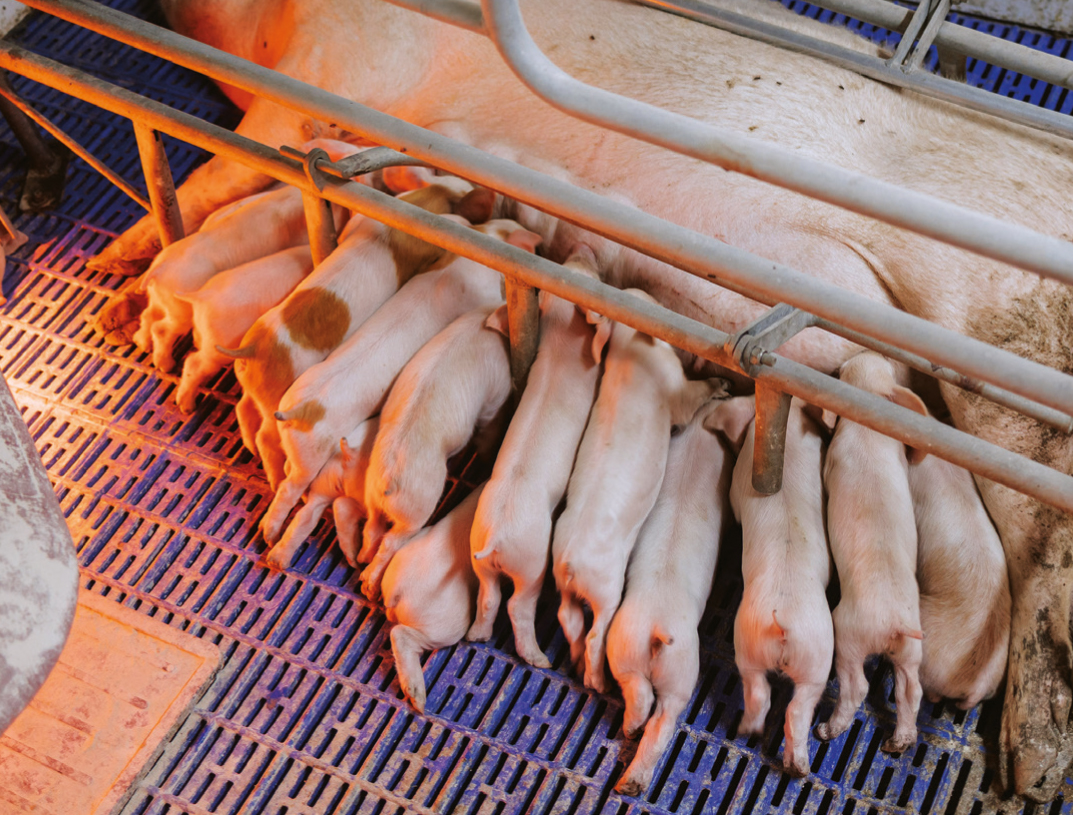
It is well known that as litter size increases, a sow produces more milk, but only up to a certain point. Once a sow reaches her maximum milk production, any further increase in litter size means that the amount of milk available per piglet begins to decline. This shortage must therefore be compensated for with a milk replacer.
In other words, the more piglets there are in a litter, the more dependent they become on milk replacer.
If there are 16 piglets in a farrowing pen while the sow has 14 functional teats, this dependence can reach 80% for the surplus piglets. In practice, farms often leave slightly more piglets with a sow than she can feed adequately, thereby reducing the number of foster sows required.
The conclusion is clear: the more piglets kept with one sow, or the lower the sow’s milk production, the less milk is available per piglet and the greater the piglet’s dependence on milk replacer.
Composition of Milk Replacers
To achieve the desired piglet performance, the milk replacer should match sow’s milk as closely as possible in terms of nutritional value.
Analysis shows that sow’s milk on day 12 of lactation contains, on average, on a 95% dry matter basis, 25% protein, 35% fat, and 25% lactose.
By comparison, milk replacers typically contain 16–22% protein, 9–22% fat, and 25–45% lactose. This means that current technology has not yet reached the point where the nutritional composition of sow’s milk can be fully replicated.
Several important factors determine the quality of a milk replacer. One of them is milk protein, which can come from dried whey, whey protein concentrate, and skimmed milk powder.
Whey is a by-product of cheese production, during which different processing temperatures may be used. The highest-quality whey is produced when milk raw materials are processed at lower temperatures, as this helps preserve the highest level of protein availability.
A high-quality milk replacer should contain a high level of fat. However, the benefits of a high fat content can only be achieved when the fat source is highly available and easily digestible for piglets. Otherwise, the effect may be the opposite.
The best fat sources for piglets include milk fat and coconut fat.
The immunostimulatory properties of milk replacers are also important. These can be provided by egg immunoglobulins (Globigen), blood plasma, and whey products. All these components help create a milk replacer with a composition as close as possible to that of sow’s milk.
Considering all the requirements mentioned above, such a milk replacer cannot be cheap!
However, the price per kilogram of milk replacer should not be the main priority, especially on farms with large litters or highly productive sows. As mentioned above, piglets on such farms are highly dependent on milk replacer. Therefore, the more balanced the milk replacer and the better it meets piglet requirements, the greater the deposition of fat and protein in the piglets’ bodies and the lower the feed conversion ratio.
Therefore, the choice of milk replacer should be based on the overall economic result. It is essential to consider the cost of producing one kilogram of piglet gain rather than simply the purchase price per kilogram of milk replacer.
Trial
- Trial start: 14 January 2021
- Trial end: 28 January 2021
- Sow genetics: TN70, Topigs Norsvin
- Boar genetics: Tempo, Topigs Norsvin
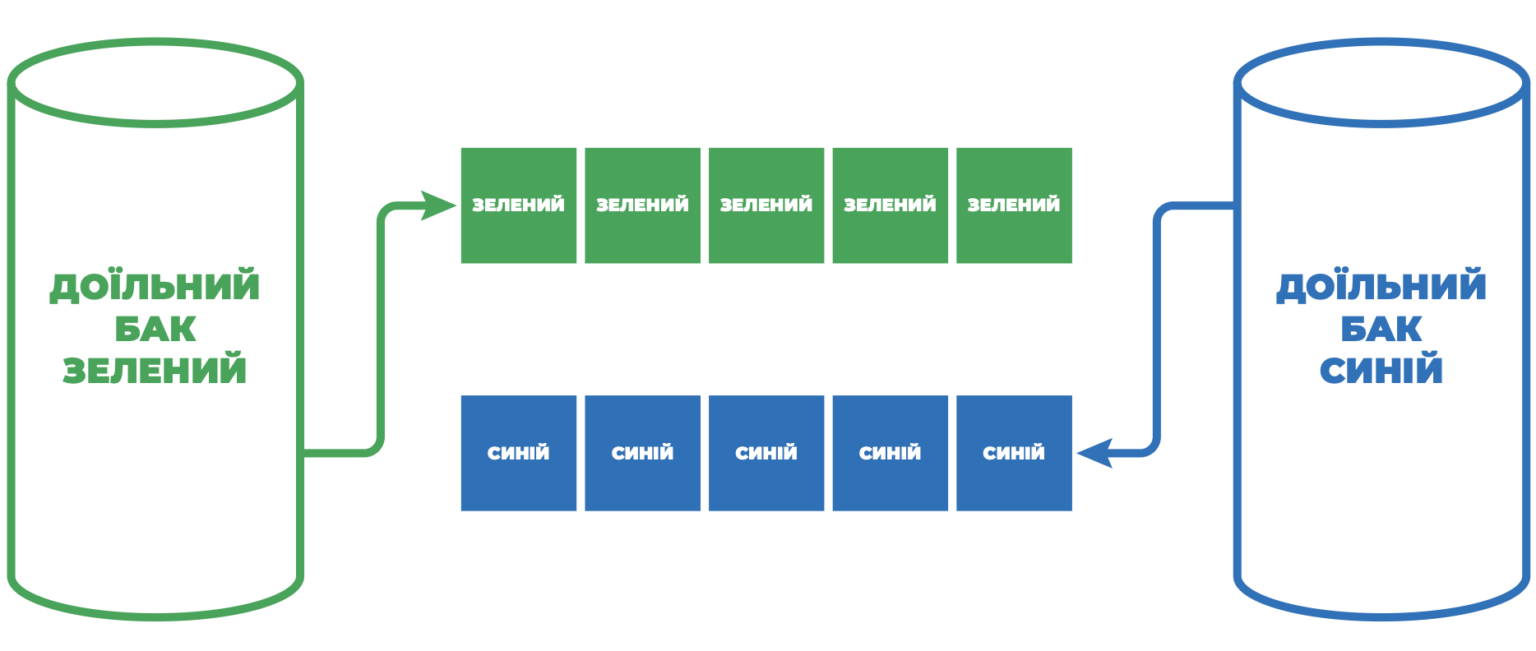
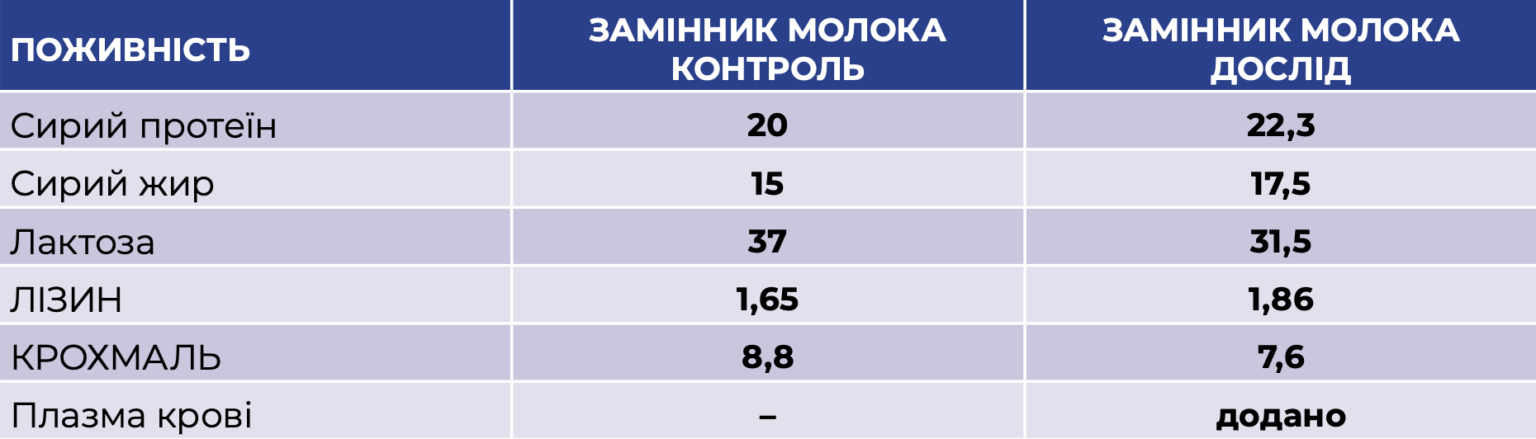
The control group was provided with a high-quality product intended as an additional source of nutrition for piglets suckling the sow. Alternatively, this type of milk replacer can be used as the primary source of nutrition in artificial rearing systems.
The experimental group received another high-quality product designed to be used as the primary source of nutrition for piglets from the third day of life or for litters with an “unlimited number of piglets.” This product was significantly more expensive than the milk replacer used for the control group.
In addition, blood plasma was included in the milk replacer to support the piglets’ immune system, ensure high protein digestibility, and provide excellent palatability.
Trial Results
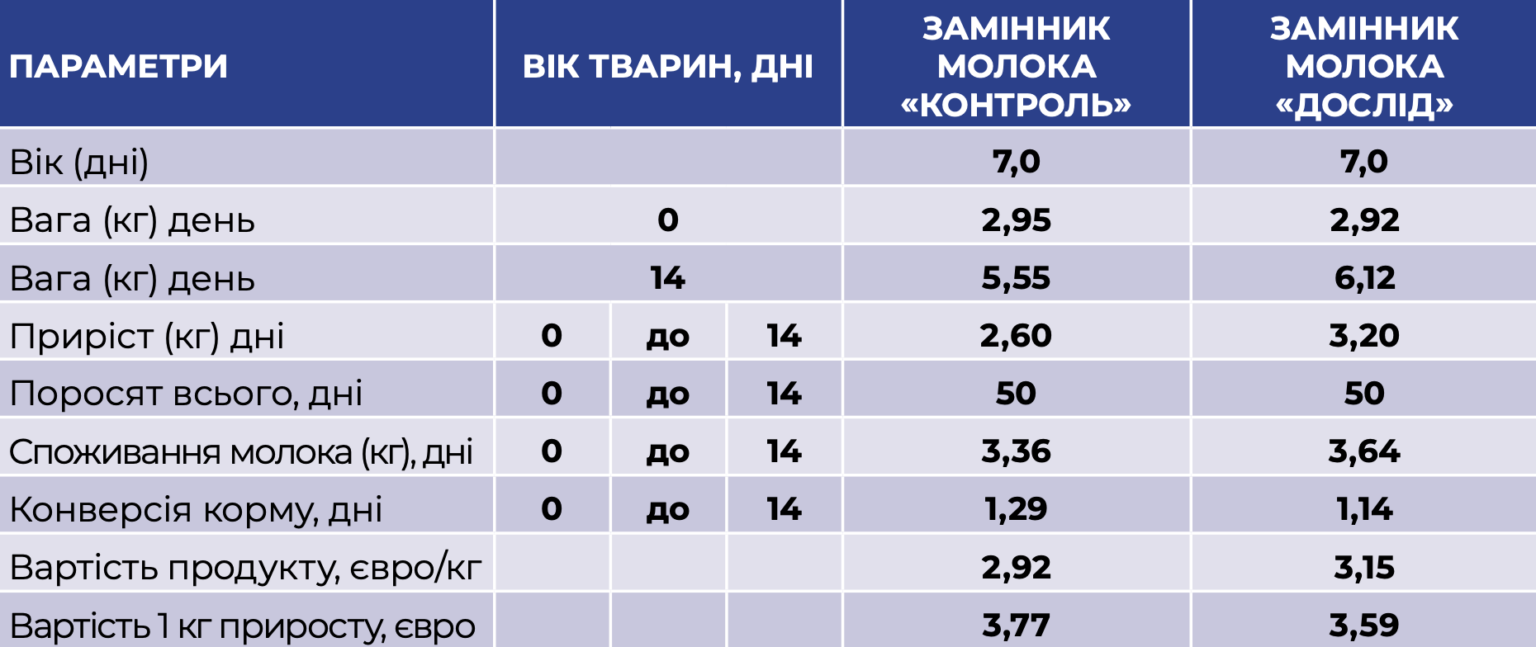
The trial results confirmed the benefits of feeding the more expensive milk replacer containing blood plasma (see table).
This leads to an important conclusion: feeding a more expensive milk replacer does not necessarily mean that the cost of piglet growth will be higher. In many cases, it has a positive economic effect by reducing feed conversion ratio, lowering the cost per kilogram of gain, reducing piglet mortality, and decreasing labor requirements.
At the same time, it can increase farm profitability.
Key Trial Results
- –0.15 feed conversion ratio
- +0.57 kg higher body weight at 21 days of age
- –€0.18 lower cost per kg of gain
- +0.042 kg higher C/A gain
Conclusion
The trials and practical experience lead to the following general conclusions:
- The best milk replacer for your farm is the one that matches the specific situation in the farrowing unit and optimally compensates for the shortage of sow’s milk available to the piglets.
- The cheapest milk replacer is the one that provides the lowest cost per unit of piglet rearing.