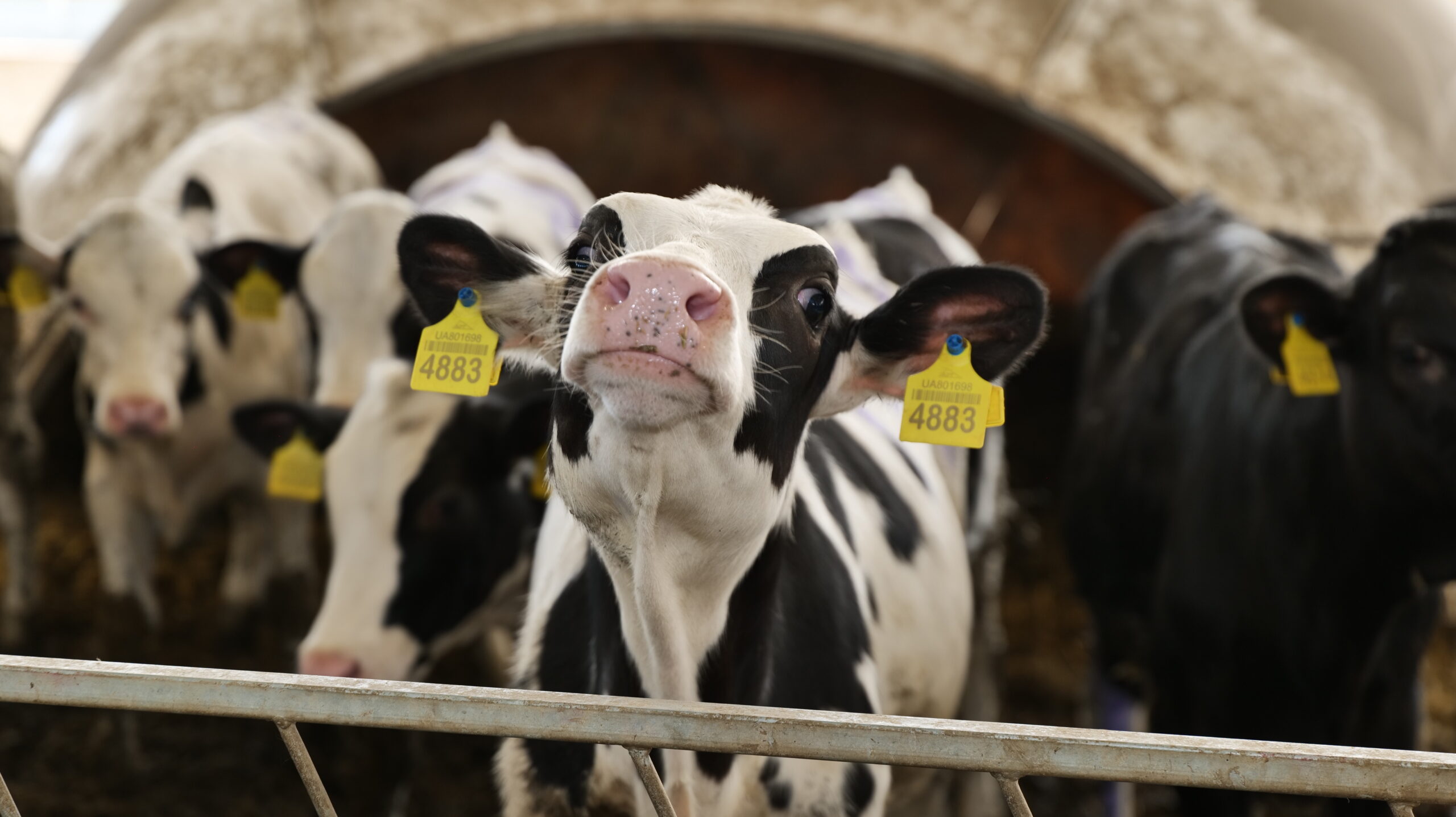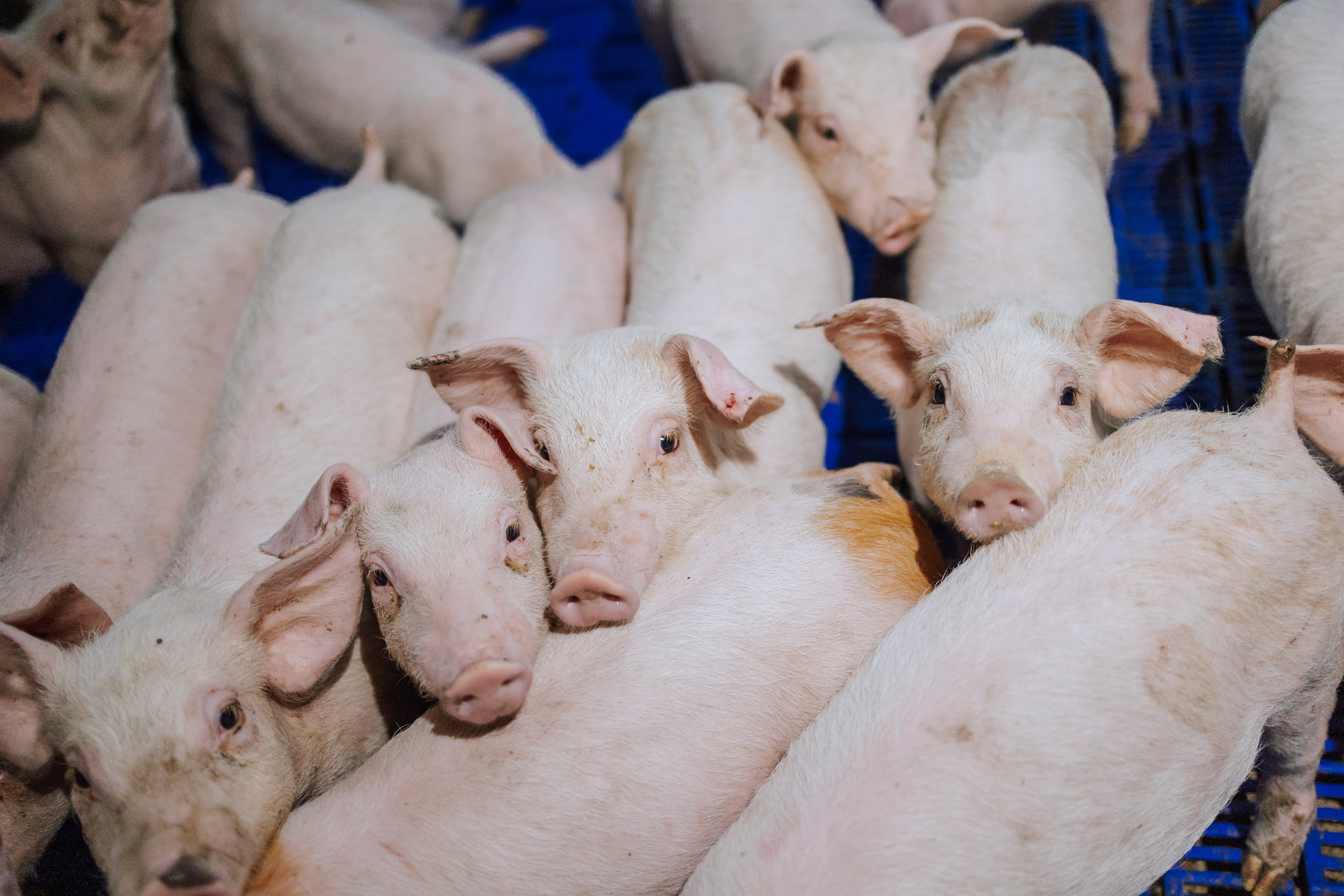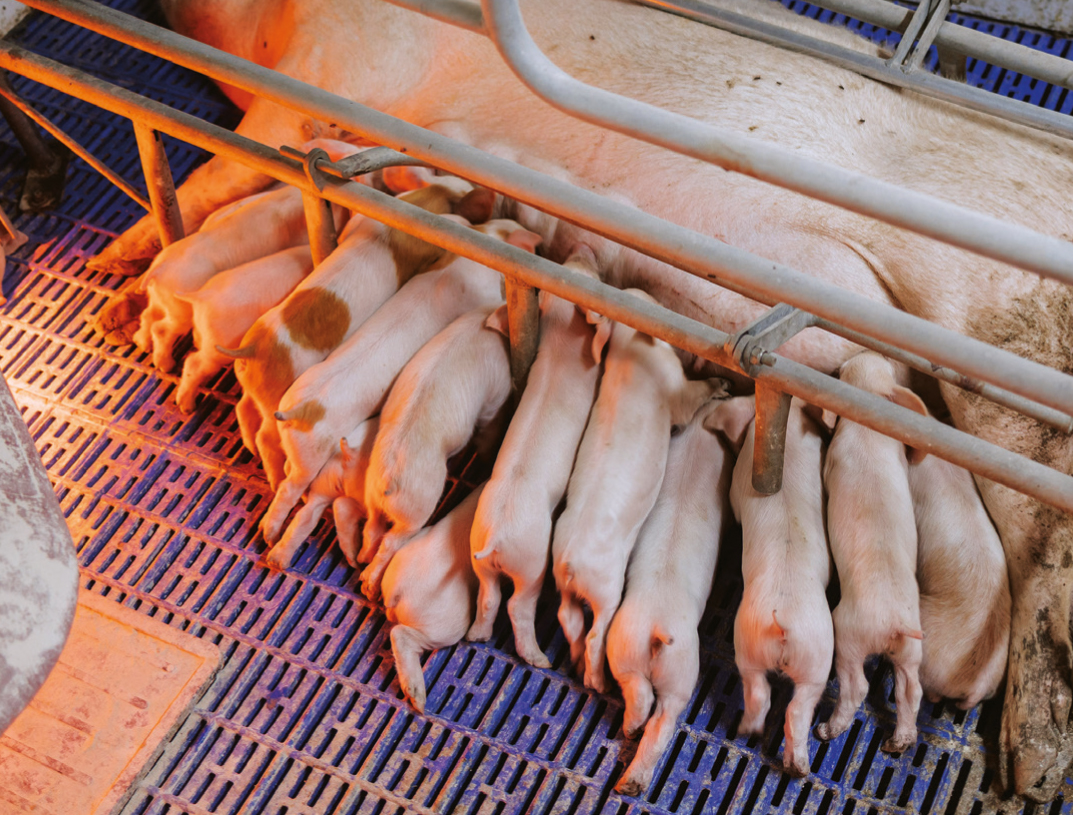
Ensuring the successful rearing of healthy and highly productive calves is a key factor in the sustainable development of the dairy industry (Fischer et al., 2019). The most critical stages in calf-rearing systems remain the preweaning and weaning periods, as the highest levels of morbidity and culling are observed during this time. According to a study conducted by the United States Department of Agriculture within the framework of the National Animal Health Monitoring System during 2014–2015, the morbidity rate in preweaned calves decreased from 38.5 % to 33.8 %, while mortality declined from 7.8 % to 5.0 %, compared with data recorded during the previous survey in 2007 (NAHMS, 2007; Urie et al., 2018).
Despite this positive trend, digestive disorders continue to be the leading cause of health problems and mortality in calves, accounting for approximately 56 % of all disease cases and 32 % of total deaths (Urie et al., 2018). Various functional feed additives, including probiotics and prebiotics, are used to improve calf performance, support digestive function, and enhance overall health.
PROBIOTICS
Probiotics are live microorganisms of carefully selected strains that, when administered in adequate amounts, confer health benefits to the host animal, for example, by reducing the incidence of diarrhea (Markowiak & Śliżewska, 2017). They can regulate the balance and activity of the gastrointestinal microbiota and are therefore considered beneficial to the host animal and are widely used as functional feed additives. Adverse factors such as feed restriction and poor housing conditions can markedly affect the rumen microbiota of calves. Under such stressful conditions, microorganisms administered directly with the feed may help reduce the risk or severity of diarrhea resulting from disturbances in the normal functioning of the digestive system. At the same time, the beneficial effects of probiotics may be limited in healthy calves with a relatively stable rumen microbiota (Uyeno et al., 2015). The probiotics most used in calf nutrition include live yeast (LY), primarily Saccharomyces cerevisiae, yeast cultures (YC), and bacterial probiotics such as Lactobacillus spp., Enterococcus spp., and Bacillus spp. (Alugongo et al., 2017). Live yeast products consist of fermented viable yeast cells that have been dried, whereas yeast cultures are products of yeast fermentation that also include the culture medium in which the yeast was grown. Although yeast cultures are classified as probiotics, they also contain cell wall components and intracellular constituents, such as β-glucans and oligosaccharides, which are considered prebiotics and possess various biological functions that contribute to the beneficial effects associated with live yeast supplementation (Cangiano et al., 2020).
One meta-analysis evaluated the effects of supplementing calf diets with live yeast and yeast cultures on dry matter intake and found that intake increased in only 35 % of the studies, whereas no differences between the treatment and control groups were observed in the remaining studies. Similar results were reported for the relationship between supplementation with these additives and body weight gain. These inconsistent responses may be attributed to several factors, including differences in yeast strains, product type, animal health status, and the method of administration (milk or starter feed) (Cangiano et al., 2020). The greatest benefits of probiotic supplementation were observed during periods of stress, such as before weaning and following dietary changes. These effects were associated with improved rumen development and a reduced risk of colonization by pathogenic microorganisms (Chaucheyras-Durand & Durand, 2010).
In one study, the effects of Saccharomyces cerevisiae fermentation products on calf performance and health during the first 63 days of life were evaluated. Calves were offered starter feed ad libitum containing either 0.5 % or 1.0 % probiotic on a dry matter basis, or no probiotic (control). In addition, calves in the treatment groups received 1 g/head/day of a Saccharomyces cerevisiae fermentation product in milk until 30 days of age. Body weight, dry matter intake, blood parameters, and oxidative stress biomarkers did not differ among the experimental groups. However, probiotic supplementation reduced the incidence of diarrhea during both the preweaning and postweaning periods. Diarrhea was assessed using a fecal scoring system ranging from 1 to 4, with a score of 2 or higher indicating diarrhea. Calves receiving the probiotic experienced fewer days with diarrhea than those in the control group. These findings suggest that Saccharomyces cerevisiae fermentation products can be used to reduce the risk of diarrhea in calves (Alugongo et al., 2017).
Another study also demonstrated the beneficial effects of supplementing calf starter with probiotics (hydrolyzed yeast) on calf health by reducing the risk of diarrhea and improving hematological parameters in neonatal calves following vaccination, although dry matter intake and growth performance did not differ between the treatment and control groups (Kim et al., 2011).
Supplementation of milk replacer with Saccharomyces cerevisiae boulardii did not affect growth performance or feed intake. However, calves with diarrhea that received the yeast supplement achieved average daily gains comparable to those of healthy calves, whereas diarrheic calves in the control group exhibited significantly lower average daily gains than their healthy counterparts (Villot et al., 2019).
In addition to yeast-based products, bacterial probiotics containing Lactobacillus spp., Bifidobacterium spp., Bacillus spp., and Enterococcus spp. are also widely used in calf nutrition. In preweaned calves, these probiotics are primarily used to improve health, reduce the incidence of diarrhea, and enhance growth performance. Bacterial probiotics help limit the colonization of the gastrointestinal tract by pathogenic microorganisms while promoting a stable microbial environment, thereby improving digestive efficiency (Cangiano et al., 2020). For example, supplementation of milk replacer with Lactobacillus rhamnosus GG increased dry matter intake and average daily gain, reduced the incidence of diarrhea compared with the control group, and increased ruminal concentrations of propionic and butyric acids (Zhang et al., 2019).
Supplementing milk replacer with a probiotic containing a mixture of lactic acid bacteria (Lactobacillus casei DSPV 318T, Lactobacillus salivarius DSPV 315T and Pediococcus acidilactici DSPV 006T) promoted earlier consumption of calf starter, thereby stimulating rumen development. Calves receiving this probiotic exhibited improved growth performance, which was attributed to enhanced digestion of lactose and whey proteins (Frizzo et al., 2010). However, a subsequent study using the same probiotic reported no differences in growth performance between treatment groups. These findings indicate that the effects of bacterial probiotics may be highly variable and depend on environmental conditions, stress factors, and the level of exposure to pathogenic microorganisms (Frizzo et al., 2011).
Regarding calf health, a meta-analysis concluded that probiotics based on lactic acid bacteria reduced the incidence of diarrhea in calves (Signorini et al., 2012).
PREBIOTICS
Prebiotics are feed additives that are selectively utilized by the host’s microorganisms, thereby conferring health benefits to the host. Unlike probiotics, prebiotics are not viable microorganisms but serve as nutrient substrates for beneficial microbes (Markowiak & Śliżewska, 2017; Gibson et al., 2017). In young cattle, prebiotics have been shown to influence growth performance, feed efficiency, and overall health. The most used prebiotics in calf nutrition are oligosaccharides and β-glucans. However, the mechanisms of action of prebiotics in ruminants remain insufficiently understood (Cangiano et al., 2020).
The most widely used prebiotic is mannan oligosaccharide (MOS), a derivative of the cell wall of Saccharomyces cerevisiae. Mannan oligosaccharides bind pathogenic microorganisms and inhibit their colonization of the gastrointestinal tract while supporting immune function and digestive health (Spring et al., 2015). According to most studies, supplementation with MOS has little or no effect on growth performance. Although some studies reported increased dry matter intake, this did not translate into improved growth performance, resulting in poorer feed efficiency in calves receiving MOS supplementation (Heinrichs et al., 2003; Terré et al., 2007). Most research on MOS has focused on its health-promoting effects rather than its impact on productivity. A meta-analysis showed that approximately 80 % of the studies reported beneficial effects of MOS supplementation (Cangiano et al., 2020). The inclusion of MOS in whole milk or milk replacer has been shown to reduce both the incidence and severity of diarrhea in calves without affecting the occurrence of other diseases (Heinrichs et al., 2013). However, some researchers also reported improved growth performance in calves receiving 4 g of MOS per head per day, including significant increases in average daily gain, feed intake and feed efficiency (Ghosh & Mehla, 2012).
A meta-analysis evaluating the effects of fructooligosaccharides (FOS) as prebiotics on calf performance found improvements in growth performance in 57 % of the studies and enhanced feed efficiency in 50 % of the studies (Cangiano et al., 2020). Supplementation of milk replacer with either 3 or 6 g of FOS per calf per day improved feed efficiency and resulted in greater final body weight, with the more pronounced effects observed at the 6 g dosage. In addition, calves receiving FOS had higher ruminal butyrate concentrations, which may have promoted gastrointestinal development (Grand et al., 2013). Other studies evaluating fructooligosaccharide supplementation reported a tendency toward a lower incidence of diarrhea, reduced antibiotic use for treatment, and a decrease in mortality from 16 % to 2 % (Quigley et al., 2002; Pineda et al., 2016).
CONCLUSIONS
The use of functional feed additives during the milk-feeding period is an important strategy for improving calf performance and reducing the incidence of diseases, particularly diarrhea. Analysis of the available scientific evidence indicates that both probiotics and prebiotics can positively influence the establishment of gastrointestinal microbiota, enhance immune function, and reduce the occurrence of gastrointestinal disorders. However, their efficacy may vary depending on the microbial strain, dosage, and management conditions under which the calves are raised.
REFERENCES
- Alugongo, G. M., Xiao, J. X., Chung, Y. H., Dong, S. Z., Li, S. L., Yoon, I., Wu, Z. H., & Cao, Z. J. (2017). Effects of Saccharomyces cerevisiae fermentation products on dairy calves: Performance and health. Journal of Dairy Science, 100(2), 1189–1199. https://doi.org/10.3168/jds.2016-11399 Alugongo et al., 2017
- Cangiano, L. R., Yohe, T. T., Steele, M. A., & Renaud, D. L. (2020). Invited Review: Strategic use of microbial-based probiotics and prebiotics in dairy calf rearing. Applied Animal Science, 36(5), 630–651. https://doi.org/10.15232/aas.2020-02049 Cangiano et al., 2020
- Chaucheyras-Durand, F., & Durand, H. (2010). Probiotics in animal nutrition and health. Beneficial Microbes, 1(1), 3–9. https://doi.org/10.3920/bm2008.1002 Chaucheyras-Durand and Durand, 2010
- Fischer, A. J., Villot, C., van Niekerk, J. K., Yohe, T. T., Renaud, D. L., & Steele, M. A. (2019). Invited Review: Nutritional regulation of gut function in dairy calves: From colostrum to weaning. Applied Animal Science, 35(5), 498–510. https://doi.org/10.15232/aas.2019-01887 Fischer et al., 2019
- Frizzo, L. S., Soto, L. P., Zbrun, M. V., Bertozzi, E., Sequeira, G., Armesto, R. R., & Rosmini, M. R. (2010). Lactic acid bacteria to improve growth performance in young calves fed milk replacer and spray-dried whey powder. Animal Feed Science and Technology, 157(3-4), 159–167. https://doi.org/10.1016/j.anifeedsci.2010.03.005 Frizzo et al., 2010
- Frizzo, L. S., Soto, L. P., Zbrun, M. V., Signorini, M. L., Bertozzi, E., Sequeira, G., Armesto, R. R., & Rosmini, M. R. (2011). Effect of lactic acid bacteria and lactose on growth performance and intestinal microbial balance of artificially reared calves. Livestock Science, 140(1-3), 246–252. https://doi.org/10.1016/j.livsci.2011.04.002 Frizzo et al., 2011
- Ghosh, S., & Mehla, R. K. (2011). Influence of dietary supplementation of prebiotics (mannanoligosaccharide) on the performance of crossbred calves. Tropical Animal Health and Production, 44(3), 617–622. https://doi.org/10.1007/s11250-011-9944-8 Ghosh and Mehla, 2012
- Gibson, G. R., Hutkins, R., Sanders, M. E., Prescott, S. L., Reimer, R. A., Salminen, S. J., Scott, K., Stanton, C., Swanson, K. S., Cani, P. D., Verbeke, K., & Reid, G. (2017). Expert consensus document: The International Scientific Association for Probiotics and Prebiotics (ISAPP) consensus statement on the definition and scope of prebiotics. Nature Reviews Gastroenterology & Hepatology, 14(8), 491–502. https://doi.org/10.1038/nrgastro.2017.75 Gibson et al., 2017
- Grand, E., Respondek, F., Martineau, C., Detilleux, J., & Bertrand, G. (2013). Effects of short-chain fructooligosaccharides on growth performance of preruminant veal calves. Journal of Dairy Science, 96(2), 1094–1101. https://doi.org/10.3168/jds.2011-4949 Grand et al., 2013
- Heinrichs, A. J., Heinrichs, B. S., & Jones, C. M. (2013). Fecal and saliva IgA secretion when feeding a concentrated mannan oligosaccharide to neonatal dairy calves. The Professional Animal Scientist, 29(5), 457–462. https://doi.org/10.15232/s1080-7446(15)30266-7 Heinrichs et al., 2013
- Heinrichs, A. J., Jones, C. M., & Heinrichs, B. S. (2003). Effects of mannan oligosaccharide or antibiotics in neonatal diets on health and growth of dairy calves. Journal of Dairy Science, 86(12), 4064–4069. https://doi.org/10.3168/jds.s0022-0302(03)74018-1 Heinrichs et al., 2003
- Kim, M. H., Seo, J. K., Yun, C. H., Kang, S. J., Ko, J. Y., & Ha, J. K. (2011). Effects of hydrolyzed yeast supplementation in calf starter on immune responses to vaccine challenge in neonatal calves. Animal, 5(6), 953–960. https://doi.org/10.1017/s1751731110002673 Kim et al., 2011
- Markowiak, P., Śliżewska, K. (2017). Effects of probiotics, prebiotics, and synbiotics on human health. Nutrients, 9(9), 1021. https://doi.org/10.3390/nu9091021 Markowiak and Śliżewska, 2017
- National Animal Health Monitoring System (US). (2009). Dairy 2007: Reference of dairy cattle health and management practices in the United States, 2007 (Vol. 4). US Department of Agriculture, Animal and Plant Health Inspection Service, Veterinary Services, National Animal Health Monitoring System. NAHMS, 2007
- Pineda, A., Ballou, M. A., Campbell, J. M., Cardoso, F. C., & Drackley, J. K. (2016). Evaluation of serum protein-based arrival formula and serum protein supplement (Gammulin) on growth, morbidity, and mortality of stressed (transport and cold) male dairy calves. Journal of Dairy Science, 99(11), 9027–9039. https://doi.org/10.3168/jds.2016-11237 Pineda et al., 2016
- Quigley, J. D., Kost, C. J., & Wolfe, T. A. (2002). Effects of spray-dried animal plasma in milk replacers or additives containing serum and oligosaccharides on growth and health of calves. Journal of Dairy Science, 85(2), 413–421. https://doi.org/10.3168/jds.s0022-0302(02)74089-7 Quigley et al., 2002
- Signorini, M. L., Soto, L. P., Zbrun, M. V., Sequeira, G. J., Rosmini, M. R., & Frizzo, L. S. (2012). Impact of probiotic administration on the health and fecal microbiota of young calves: A meta-analysis of randomized controlled trials of lactic acid bacteria. Research in Veterinary Science, 93(1), 250–258. https://doi.org/10.1016/j.rvsc.2011.05.001 Signorini et al., 2012
- Spring, P., Wenk, C., Connolly, A., & Kiers, A. (2015). A review of 733 published trials on Bio-Mos®, a mannan oligosaccharide, and Actigen®, a second generation mannose rich fraction, on farm and companion animals. Journal of Applied Animal Nutrition, 3. https://doi.org/10.1017/jan.2015.6 Spring et al., 2015
- Terré, M., Calvo, M. A., Adelantado, C., Kocher, A., & Bach, A. (2007). Effects of mannan oligosaccharides on performance and microorganism fecal counts of calves following an enhanced-growth feeding program. Animal Feed Science and Technology, 137(1-2), 115–125. https://doi.org/10.1016/j.anifeedsci.2006.11.009 Terre et a., 2007
- Urie, N. J., Lombard, J. E., Shivley, C. B., Kopral, C. A., Adams, A. E., Earleywine, T. J., Olson, J. D., & Garry, F. B. (2018). Preweaned heifer management on US dairy operations: Part V. Factors associated with morbidity and mortality in preweaned dairy heifer calves. Journal of Dairy Science, 101(10), 9229–9244. https://doi.org/10.3168/jds.2017-14019 Urie et al., 2018
- Uyeno, Y., Shigemori, S., & Shimosato, T. (2015). Effect of probiotics/prebiotics on cattle health and productivity. Microbes and Environments, 30(2), 126–132. https://doi.org/10.1264/jsme2.me14176 Uyeno et al., 2015
- Villot, C., Ma, T., Renaud, D. L., Ghaffari, M. H., Gibson, D. J., Skidmore, A., Chevaux, E., Guan, L. L., & Steele, M. A. (2019). Saccharomyces cerevisiae boulardii CNCM I-1079 affects health, growth, and fecal microbiota in milk-fed veal calves. Journal of Dairy Science, 102(8), 7011–7025. https://doi.org/10.3168/jds.2018-16149 Villot et al., 2019
- Zhang, L., Jiang, X., Liu, X., Zhao, X., Liu, S., Li, Y., & Zhang, Y. (2019). Growth, health, rumen fermentation, and bacterial community of Holstein calves fed Lactobacillus rhamnosus GG during the preweaning stage1. Journal of Animal Science, 97(6), 2598–2608. https://doi.org/10.1093/jas/skz126