Considering the new challenges in pig production associated with genetic and technological progress, milk replacers and liquid milk prestarters have already established themselves as effective tools for improving piglet performance and, consequently, have become an important factor in successful pig production. Therefore, in recent years, pig production specialists have paid particular attention to research into the effectiveness of liquid milk products.
A large number of studies in this field have been conducted by dairy product manufacturers and developers of liquid feeding programs for suckling piglets, demonstrating the effectiveness of their use. In this publication, we will share research and developments related to the effectiveness of liquid feeding of piglets in the farrowing unit.
Two Feeding Programs
In 2023, a study was conducted at the experimental commercial Brand Pigs farm in the Netherlands, comparing two piglet feeding programs. The aim of the study was to determine the effectiveness of supplementary feeding with milk replacers and liquid milk prestarters for suckling piglets compared with traditional dry feeding using prestarter feeds.
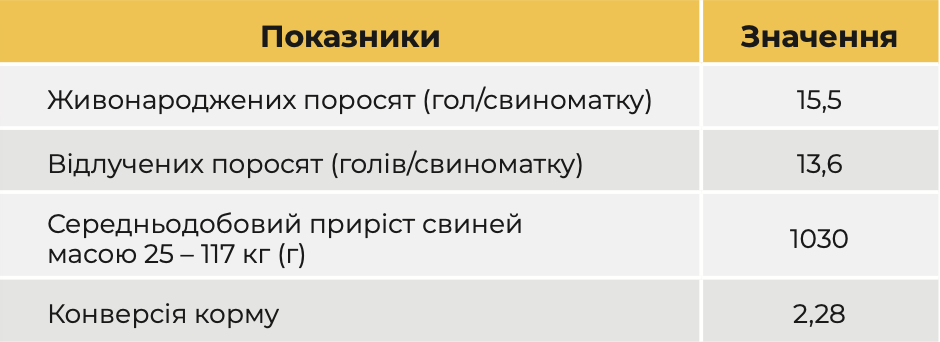
General information about the Brand Pigs trial farm (Table 1):
- 400 sows;
- closed-loop production system;
- two-week batch system, weaning at 21 days;
- Topigs TN70 sows × Tempo boars;
- dry feeding system.
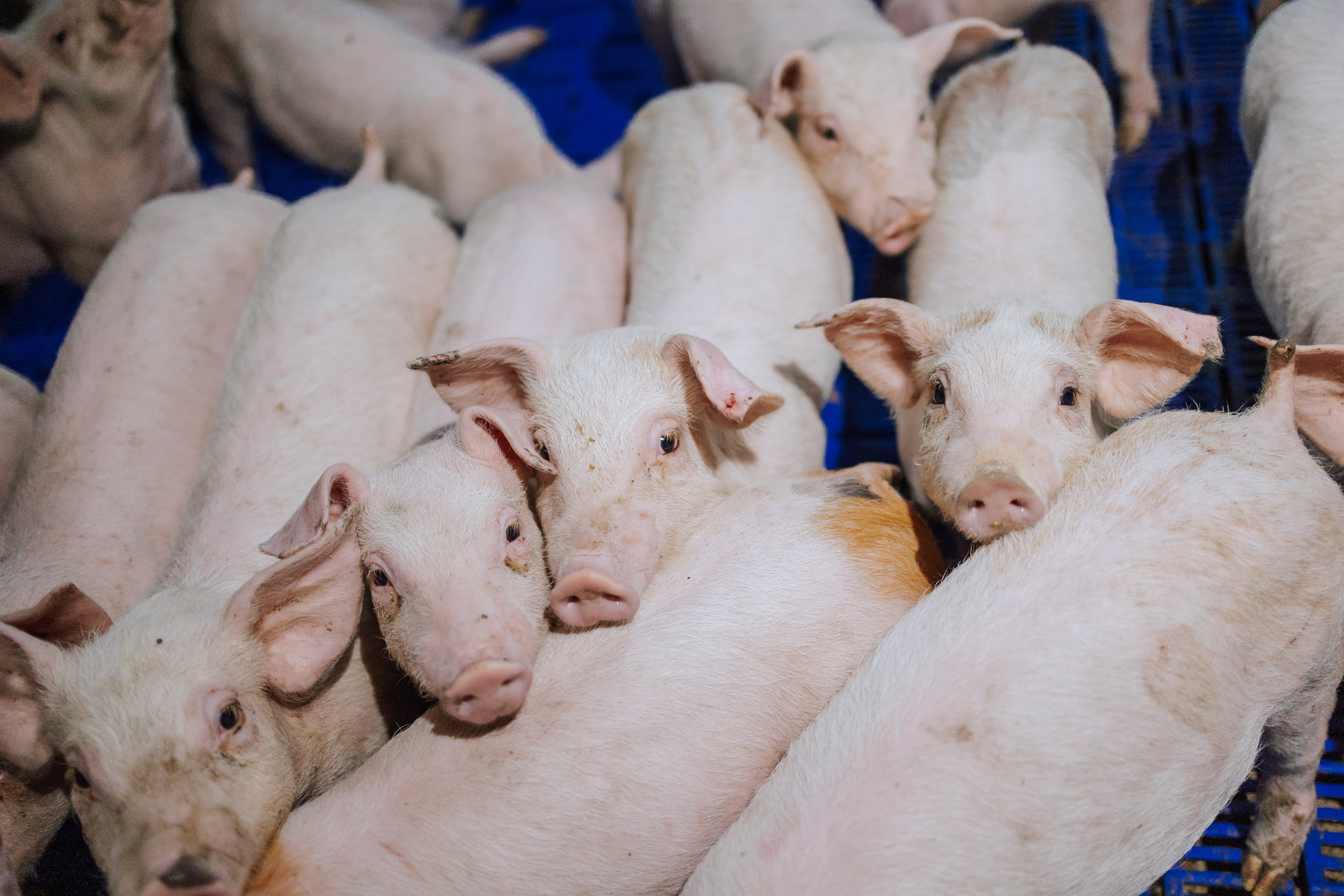
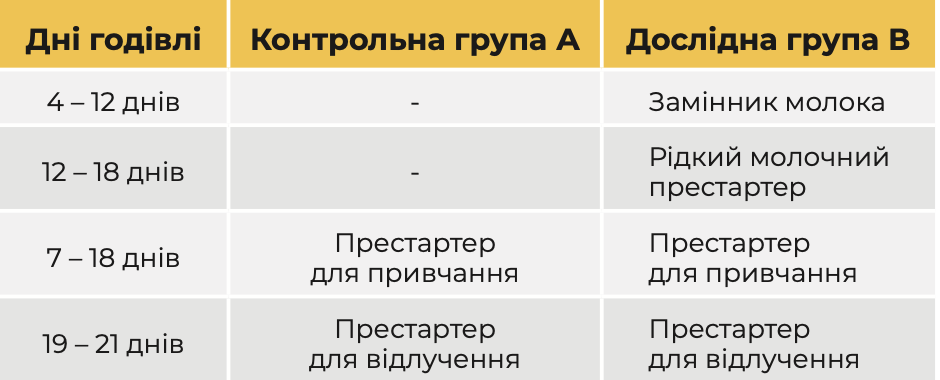
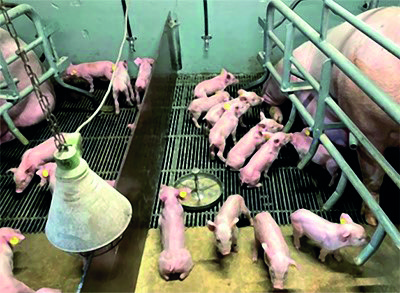
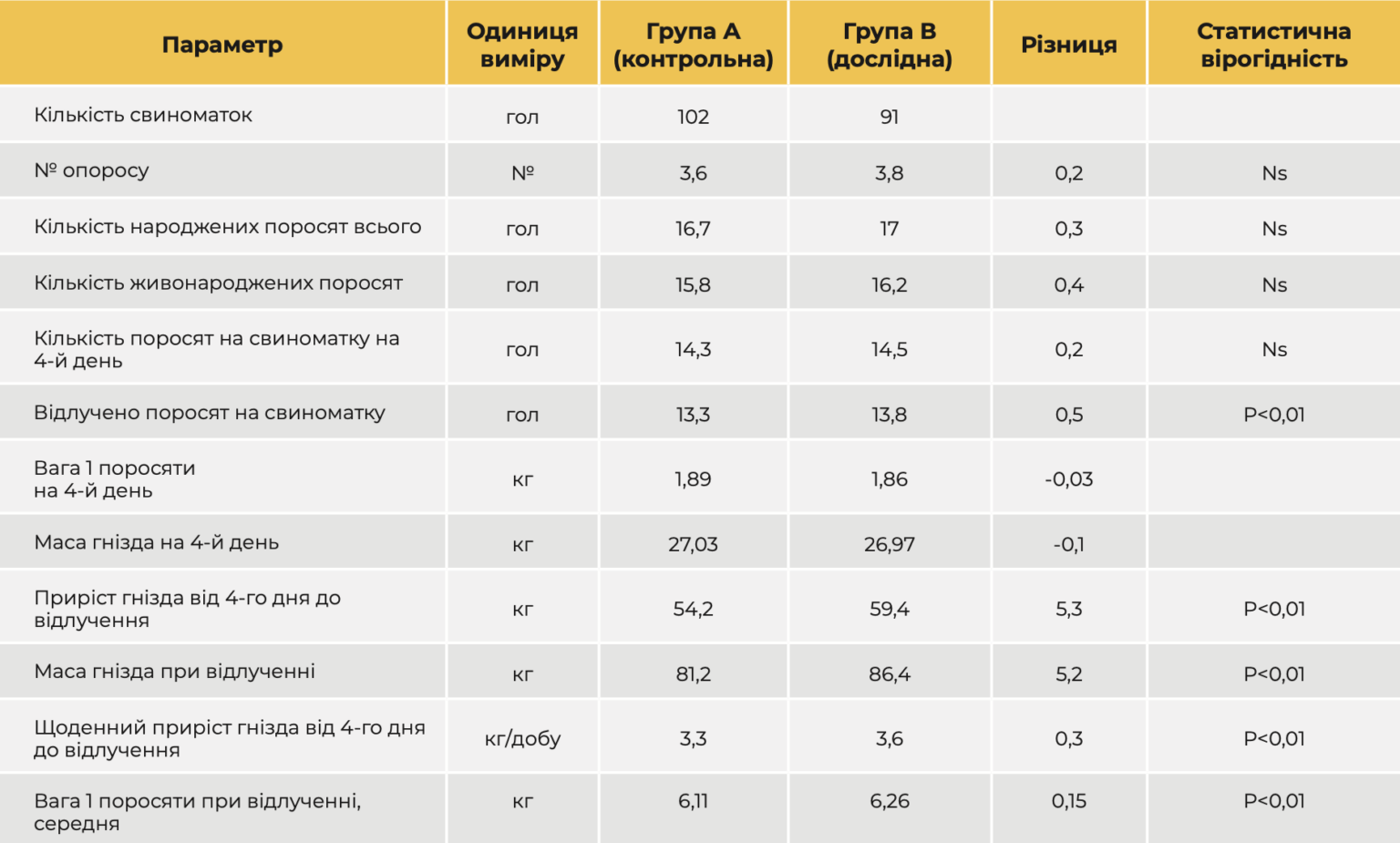
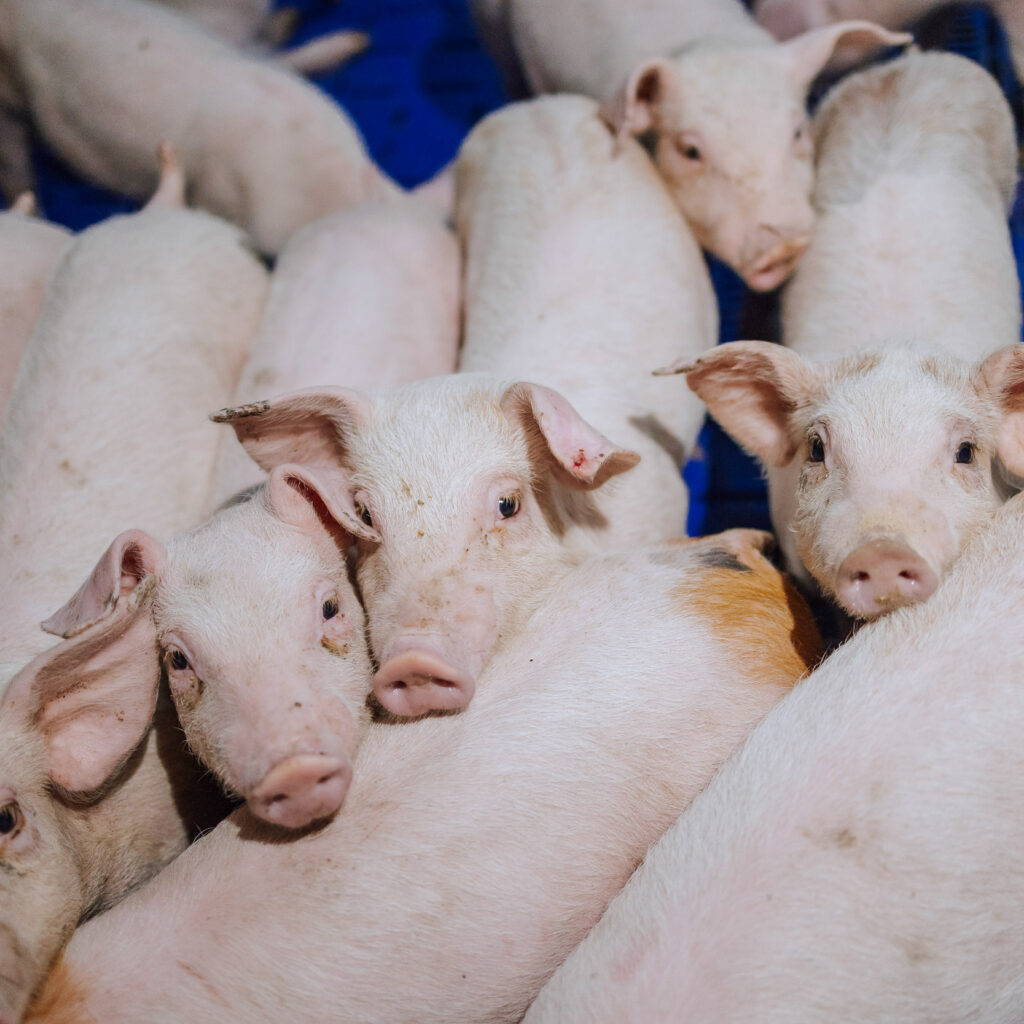
The trial included 2 614 piglets. The control group A consisted of 102 sows, while the experimental group B included 91 sows. According to the experimental design (Table 2), control group A received a traditional feeding program consisting of two types of dry pelleted prestarter feed: a creep prestarter and a weaning prestarter (Photo 1).
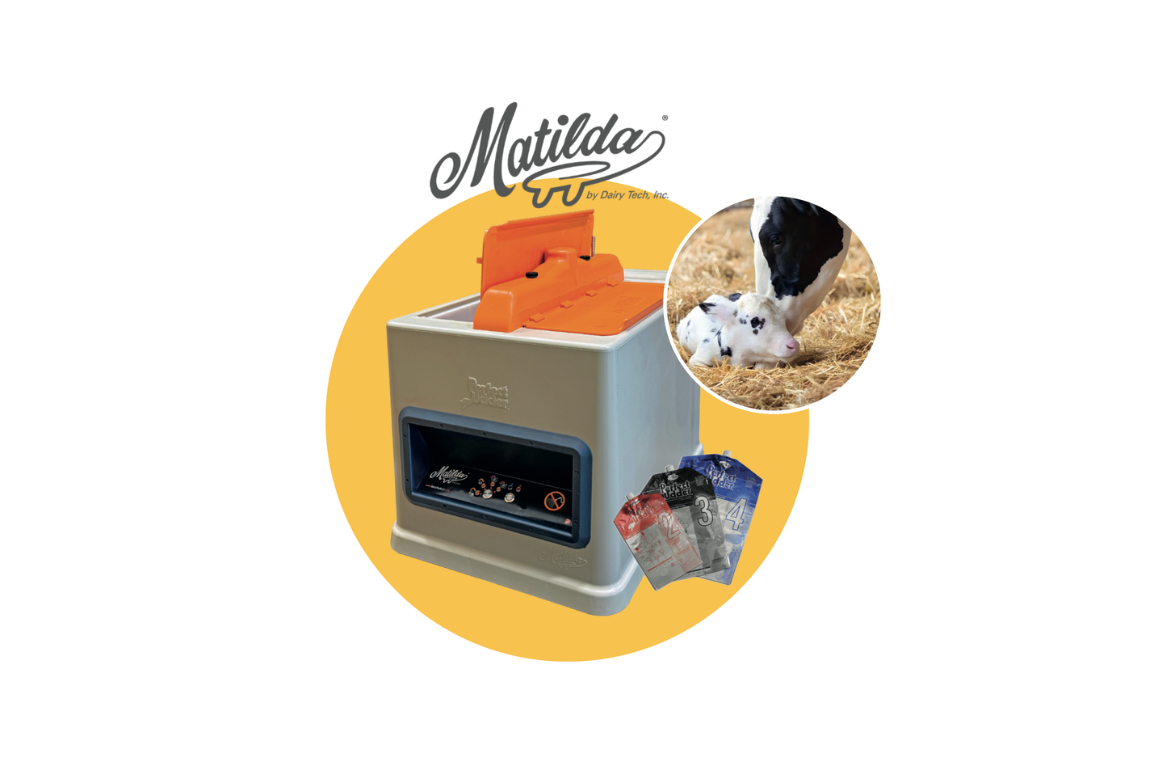
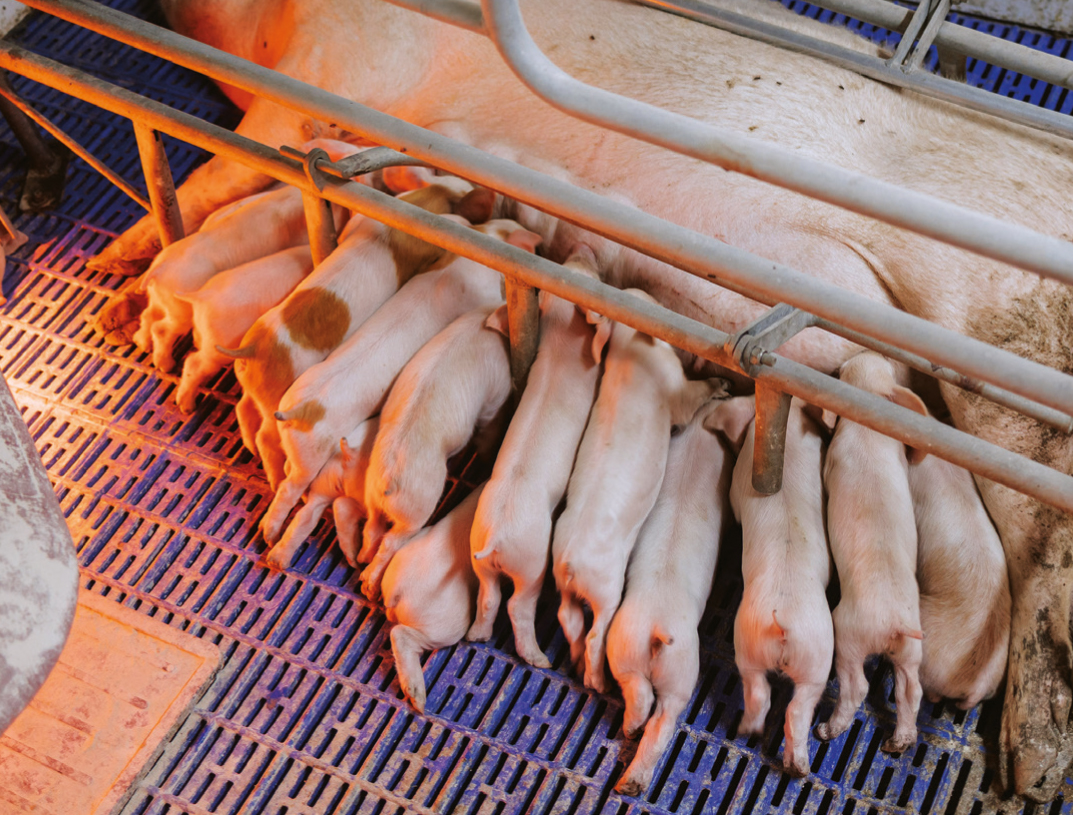
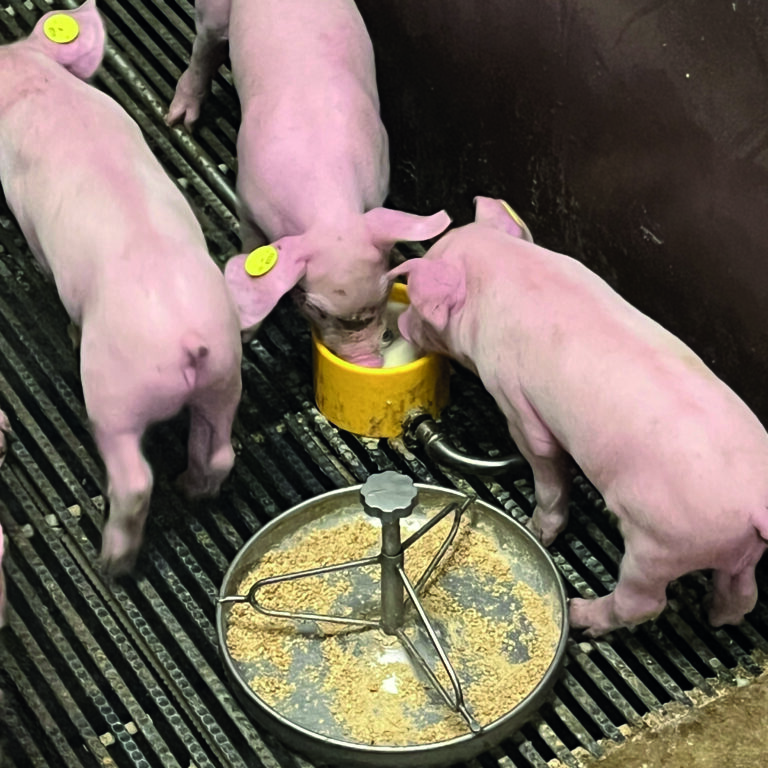
Piglets in experimental group B received a combined feeding program consisting of dry pelleted prestarter feed supplemented with a liquid milk replacer and a liquid milk prestarter (Photo 2).
The liquid milk products were administered using a fully automated feeding system developed by a Dutch company. Piglets in the experimental group had constant access to the liquid products, 24 hours a day.
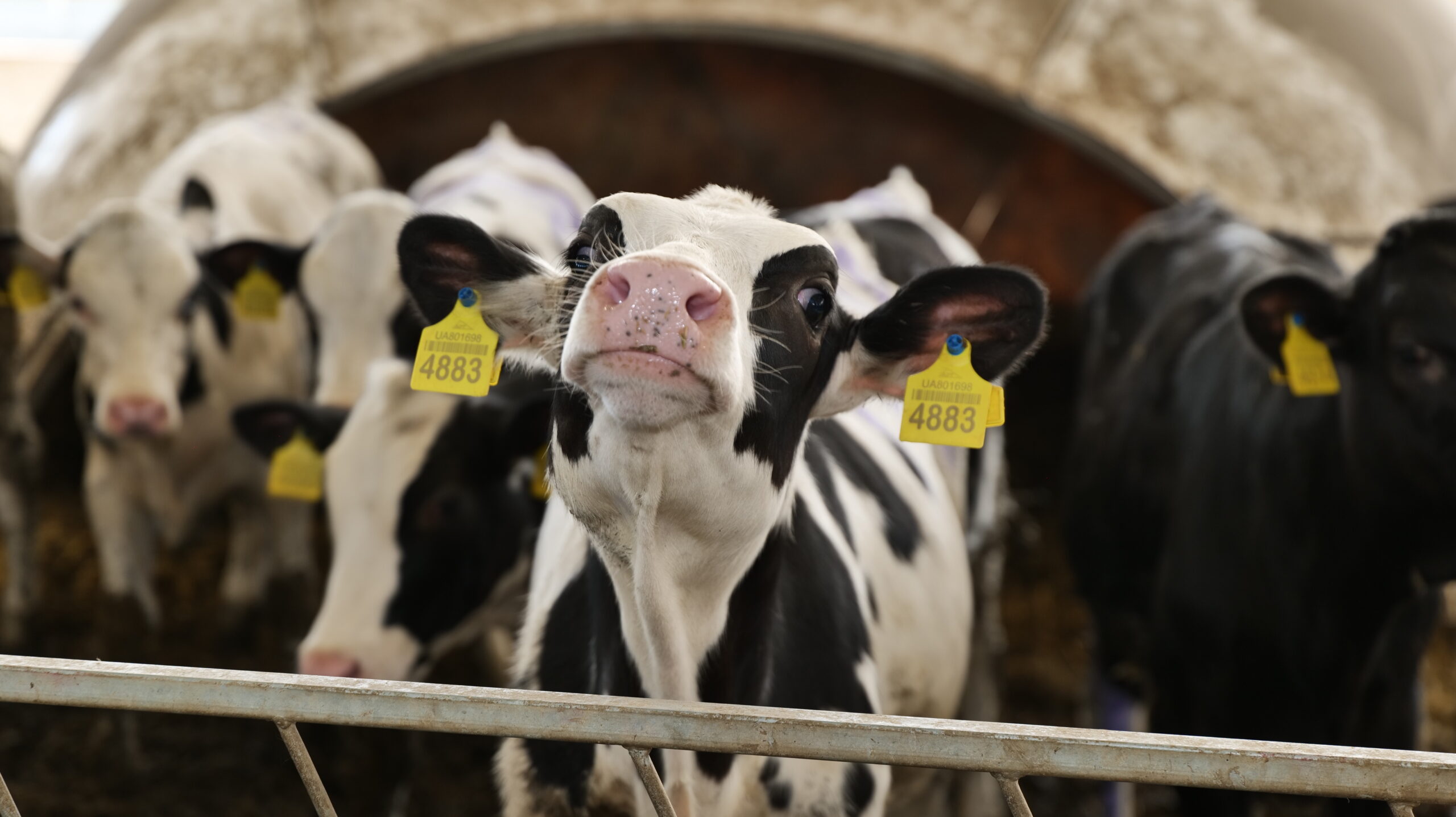
All piglets were weighed individually at two stages: on day 4 after farrowing and at weaning on day 21. Piglets were weighed on scales connected to the farm database. The piglets also had ear tags/chips (Photo 2), which enabled the automatic transfer and storage of weighing data. These technologies ensured the accuracy and reliability of the measurements obtained.
Study Results
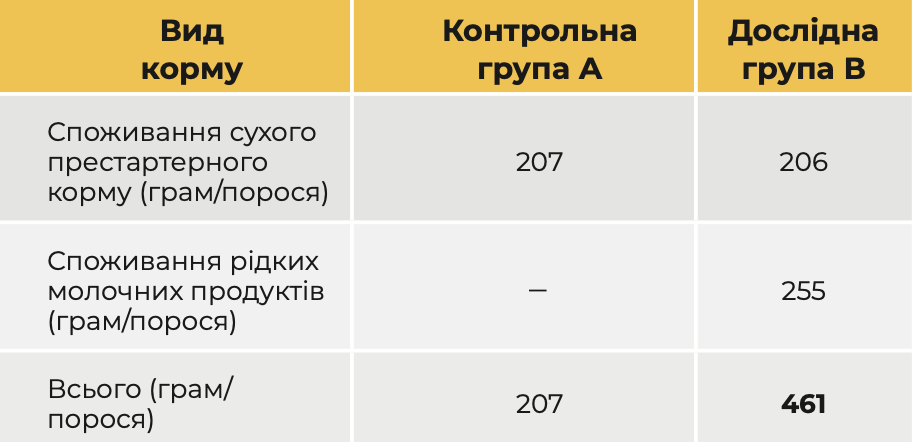
Dry prestarter feed intake was similar in both the experimental and control groups (Table 3). The main difference in total feed intake between the two groups was due to the additional 255 g of liquid milk products (on a dry matter basis) consumed by group B through the automated cup feeding system.
After processing the trial data, important zootechnical results were obtained, as presented in Table 4. The data clearly demonstrate the effect of combined feeding with liquid milk products on piglets during the suckling period. Significant improvements were observed across all key performance indicators, namely:
- number of piglets weaned;
- litter weight at weaning;
- growth rate.
Conclusions
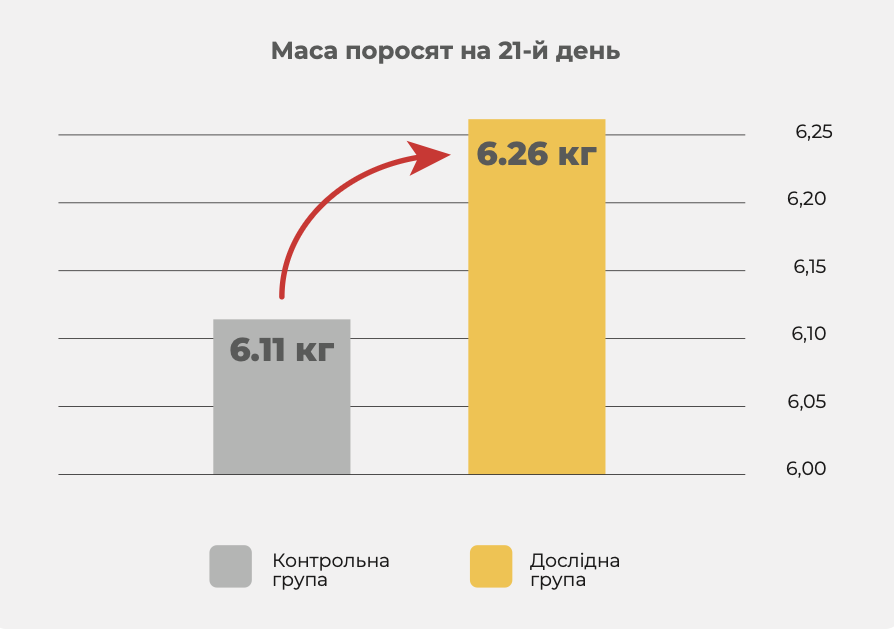
The main result of using liquid milk products was an increase of 150 g in average piglet weaning weight in the experimental group (Figure 1).
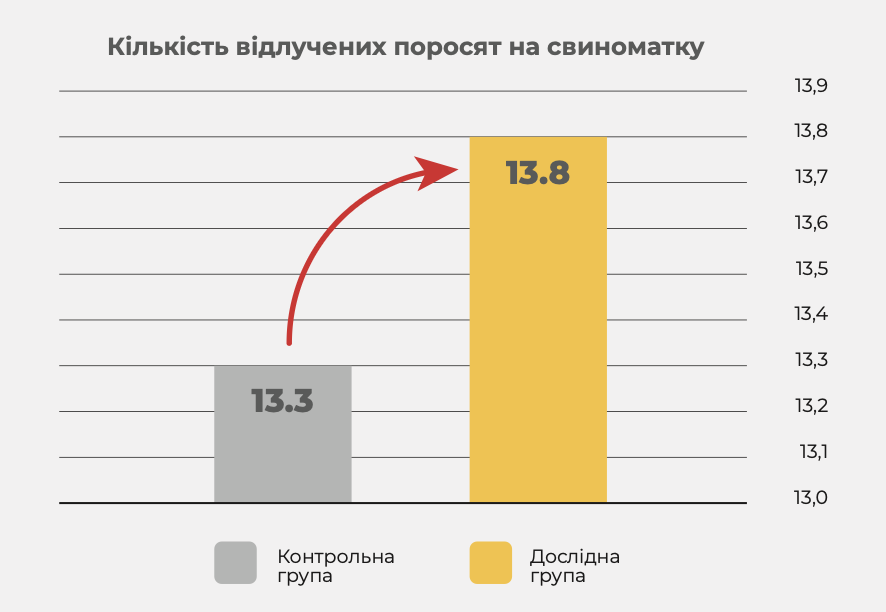
In addition to higher weaning weights and improved piglet survival — by 0.5 more piglets per sow per farrowing (Figure 2) — the approach also significantly reduced the workload on the sows. It was also observed that considerably fewer piglets in experimental group B needed to be moved between pens, meaning that more piglets remained with their own sow.
Another advantage was the substantial reduction in the number of foster sows (nurse sows) required. In addition, the workload for farm personnel was significantly reduced.
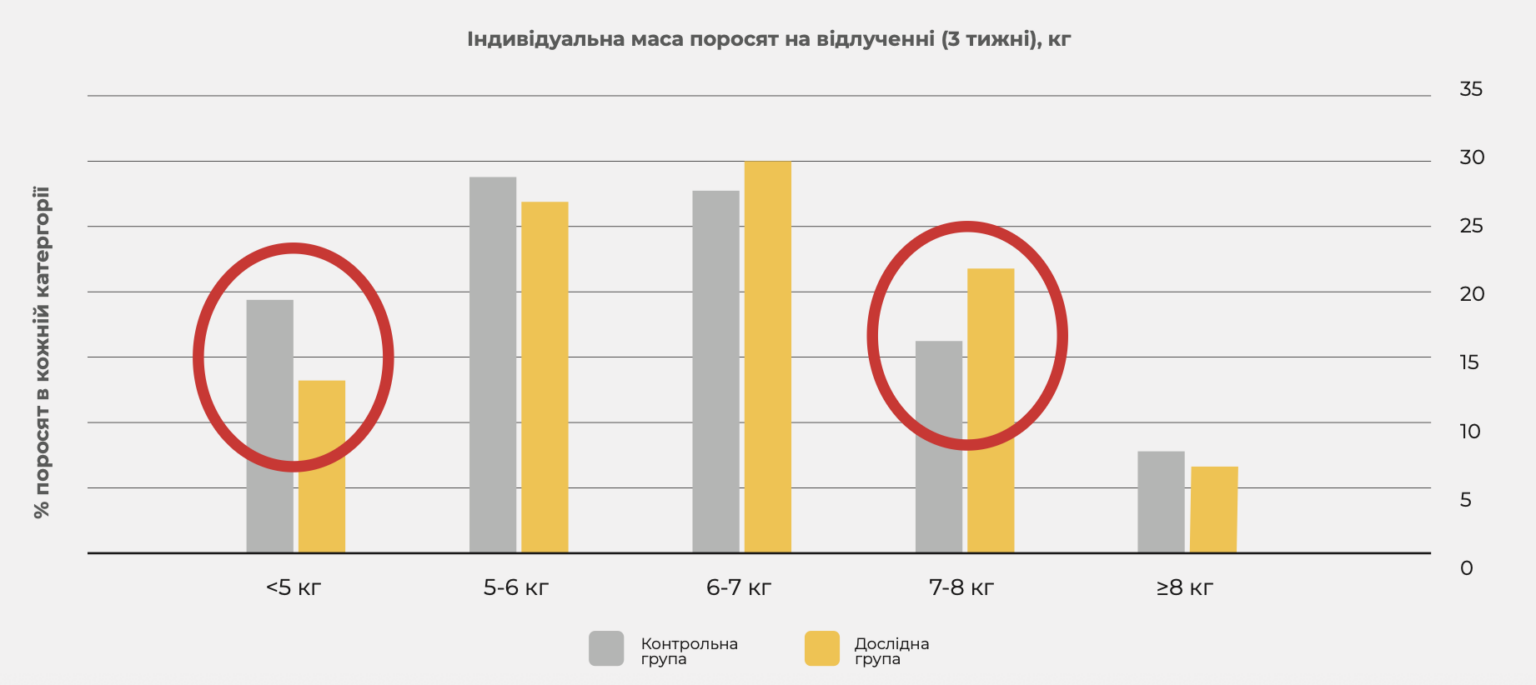
It is important to pay attention to Figure 3, which shows the distribution of individual piglet weights at weaning. In group A, approximately 20% of piglets weighed less than 5 kg, whereas in group B, this share was approximately 13%. Thus, the number of underweight piglets in experimental group B decreased, with more piglets moving into the next higher weight category of 5 kg or more due to their higher growth rates.
This demonstrates that the smallest suckling piglets benefit the most from combined feeding with dry and liquid milk products.
According to the data obtained, the impact of liquid milk products on piglet performance in the farrowing unit was clearly evident, resulting in improvements in:
- feed intake: group B receiving liquid feeding consumed 255 g more dry matter per piglet;
- piglet weaning weight: increased by 150 g;
- number of piglets per sow at farrowing: increased by 0.5 due to improved survival;
- litter uniformity and fewer underweight piglets at weaning.
It should also be noted that the use of liquid milk products did not reduce the consumption of dry prestarter feed.